





How to size a 12V inverter for car power needs?
- 1. What is the maximum power output I can safely draw from my car's 12V battery using an inverter?
- 2. How do I calculate the appropriate inverter size for my specific power requirements?
- 3. What are the key differences between pure sine wave and modified sine wave inverters, and which is better for my car?
- 4. How can I ensure my 12V car power inverter operates efficiently and safely?
- 5. What safety features should I look for in a 12V car power inverter?
- 6. How do I calculate the runtime of my 12V car power inverter based on battery capacity?
1. What is the maximum power output I can safely draw from my car's 12V battery using an inverter?
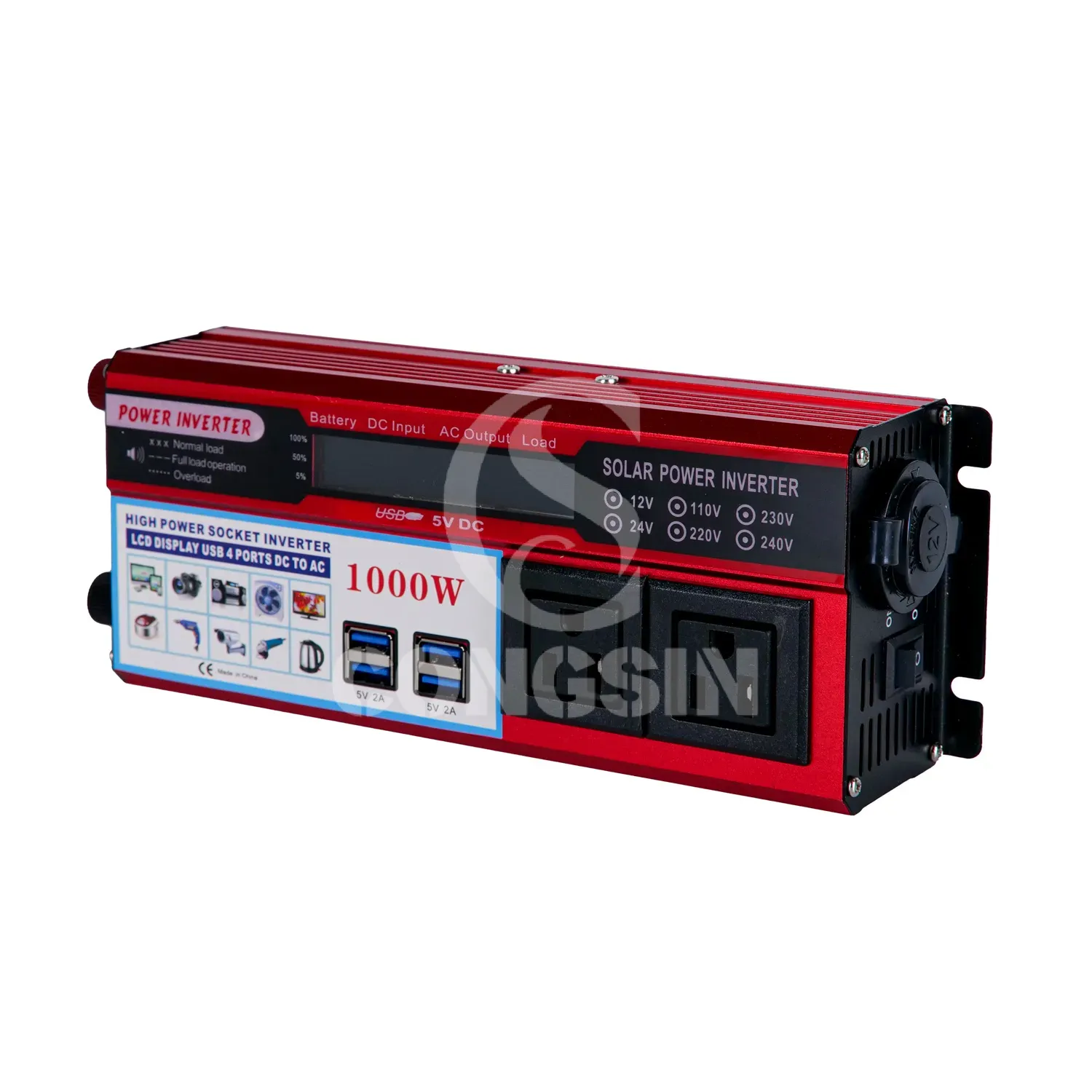
When selecting a 12V car power inverter, it's crucial to consider both the continuous and surge power ratings of the inverter, as well as the capacity of your vehicle's battery and alternator. For instance, a 1,000W inverter requires approximately 91.67Ah of battery capacity to run continuously. However, the actual maximum power output you can safely draw depends on your car's battery capacity and the alternator's output. Exceeding these limits can lead to battery depletion or alternator damage.
2. How do I calculate the appropriate inverter size for my specific power requirements?
To determine the right inverter size:
List Your Devices: Identify all appliances you intend to run simultaneously.
Determine Power Consumption: Check the wattage of each device, typically found on the appliance label.
Calculate Total Wattage: Sum the wattages of all devices.
Add a Safety Margin: Include an additional 20–30% to account for inefficiencies and potential power surges.
For example, if your total wattage is 1,000W, adding a 20% margin would suggest an inverter size of at least 1,200W.
3. What are the key differences between pure sine wave and modified sine wave inverters, and which is better for my car?
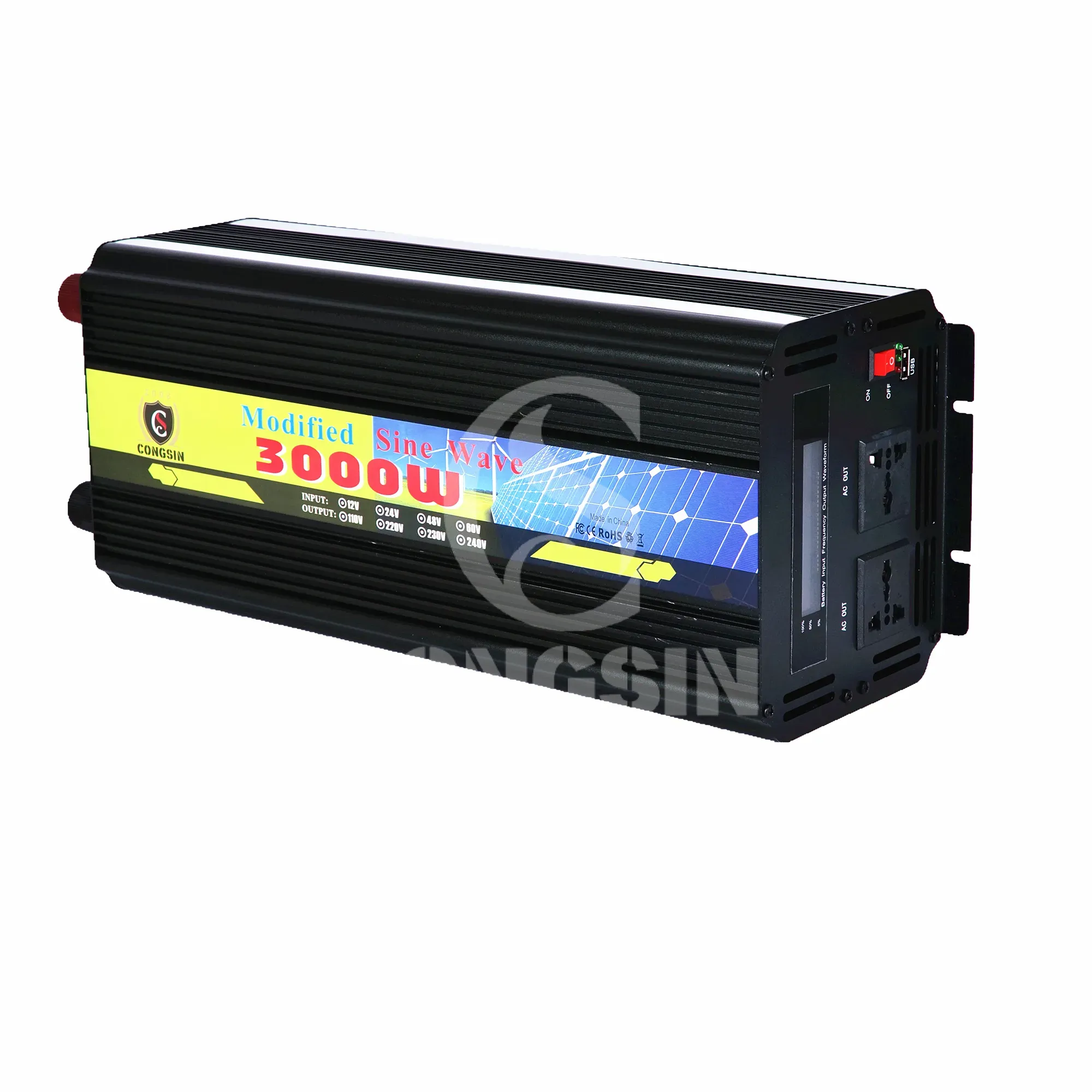
Pure sine wave inverters produce a smooth, consistent waveform identical to the power supplied by utility companies, making them suitable for sensitive electronics like laptops and medical equipment. Modified sine wave inverters generate a more jagged waveform, which may cause interference or reduced efficiency in sensitive devices. While pure sine wave inverters are generally more expensive, they offer superior performance and are recommended for powering delicate electronics in your car.
4. How can I ensure my 12V car power inverter operates efficiently and safely?
To maximize the efficiency and safety of your 12V car power inverter:
Proper Installation: Connect the inverter directly to the car battery using appropriate cables to ensure stable energy delivery.
Adequate Ventilation: Install the inverter in a cool, well-ventilated area to prevent overheating.
Regular Maintenance: Periodically check connections and clean vents to maintain optimal performance.
5. What safety features should I look for in a 12V car power inverter?
Essential safety features to consider include:
Overload Protection: Prevents the inverter from operating beyond its capacity.
Over-temperature Shutdown: Automatically turns off the inverter if it overheats.
Low and High Voltage Shutdown: Protects against battery voltage fluctuations.
Short Circuit Protection: Safeguards the inverter and connected devices from electrical faults.
These features enhance the safety and longevity of your inverter.
6. How do I calculate the runtime of my 12V car power inverter based on battery capacity?
To estimate the runtime:
Calculate Usable Battery Capacity: Multiply the battery's amp-hour (Ah) rating by 12V to get watt-hours (Wh).
Account for Inverter Efficiency: Multiply the Wh by the inverter's efficiency (typically around 85–90%).
Divide by Total Load: Divide the adjusted Wh by the total wattage of the devices you plan to run.
For example, with a 12V 50Ah battery (600Wh), an 85% efficient inverter, and a 150W load:
(600Wh × 0.85) ÷ 150W ≈ 3.4 hours
Keep in mind that actual runtime can vary based on factors like battery age and temperature.
By addressing these specific questions and considerations, you can make informed decisions when selecting and sizing a 12V car power inverter, ensuring efficient and safe operation for your vehicle's power needs.
For personalized assistance and a quote tailored to your requirements, please contact us at info@csinverter.com or visit our website at www.csinverter.com.


Modified Sine Wave Inverters
How does reverse protection work?
When the positive and negative poles of the battery are reversed, the inverter will automatically cut off the circuit to avoid device damage and ensure power usage safety.
Which country’s voltage standards does it support?
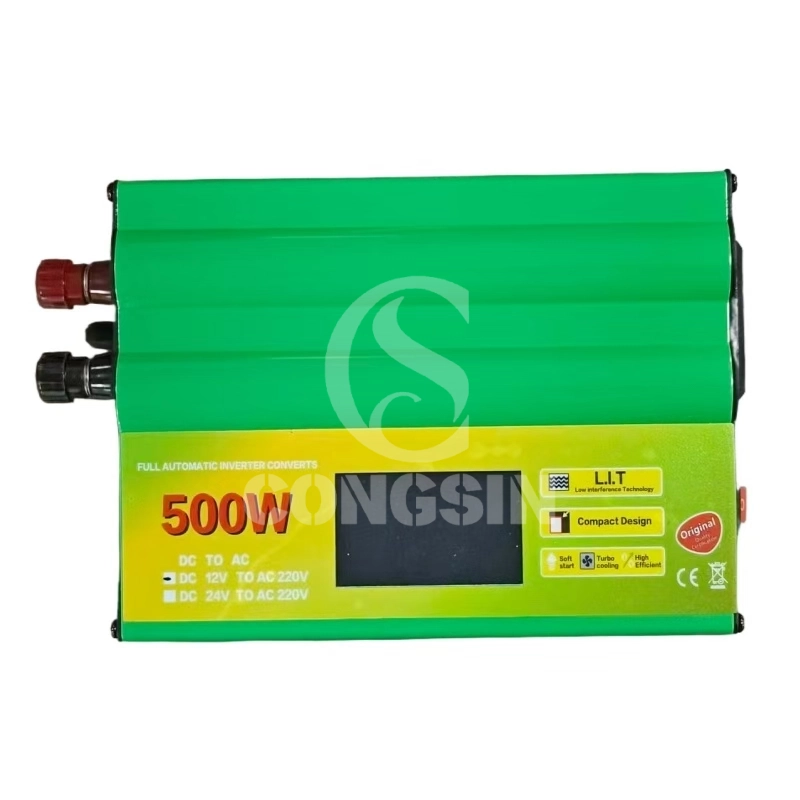
It defaults to AC 220V output, suitable for regions with 220V voltage standards such as China and Europe; it can also be customized to output AC 110V, suitable for regions with 110V voltage standards such as the United States and Japan.
What is the difference between modified sine wave and pure sine wave?
Modified sine wave is suitable for most ordinary home appliances and electronic devices; pure sine wave is suitable for devices with extremely high power requirements (such as precision instruments). This modified sine wave is more cost-effective and meets the needs of most daily scenarios.
Does it have protection features?
Yes, it includes overload, overheat, and short-circuit protection.
How many devices can it power at the same time?
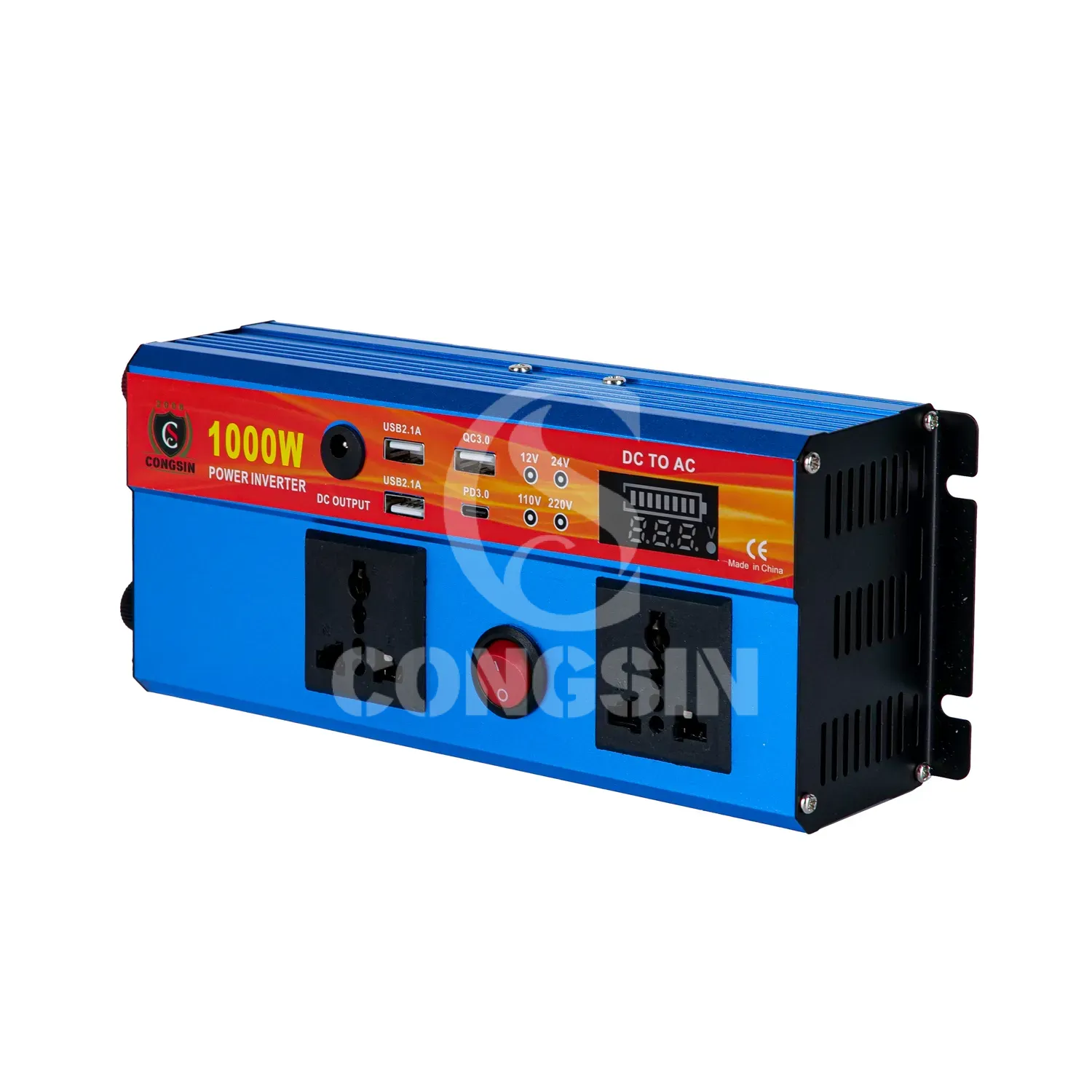
Dual universal sockets + two USB ports can power multiple devices (such as two home appliances + two mobile phones) at the same time, as long as the total power does not exceed 600W.
Get in Touch with Our Team
You can also communicate with us directly through our online contact form. Please fill in the following information, and our team will contact you as soon as possible after receiving your message.

CONGSIN is a trusted OEM factory for power inverters, solar charge controllers, and DC converters. Reliable solutions for global B2B buyers.
 High Quality
 7/24 Service
 Guaranteed Warranty
© 2025 Congsin. All Rights Reserved.